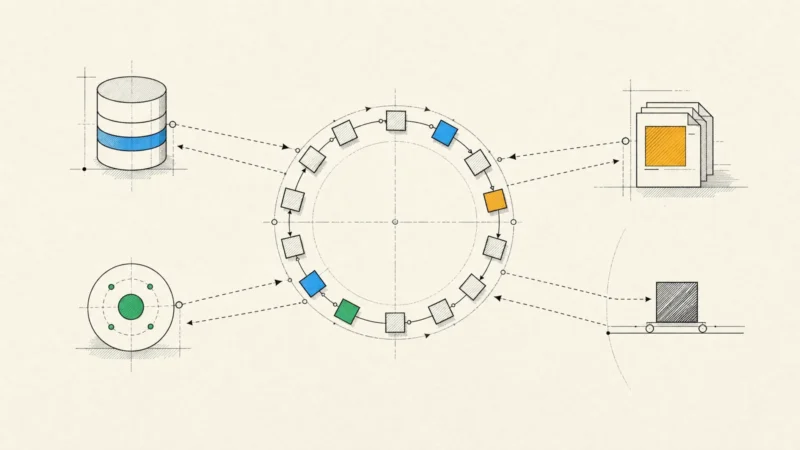
GitHub Agentic Autofix: 5 Checks Before You Enable
GitHub agentic autofix is now an operating decision, not an experiment. On October 15, GitHub made the capability generally available: Copilot can investigate code scanning alerts, propose changes,…
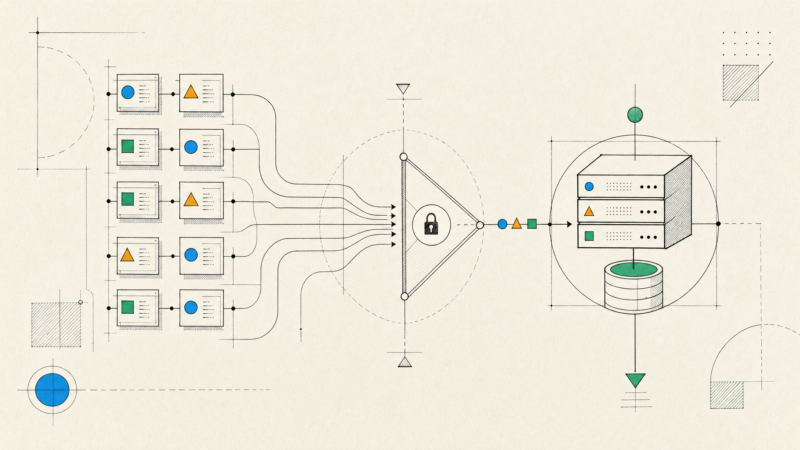
BlogInferne
Trends and developments in AI, mobile and web, read by a team that ships products: what changed, why it matters and what to do about it.
GitHub agentic autofix is now an operating decision, not an experiment. On October 15, GitHub made the capability generally available: Copilot can investigate code scanning alerts, propose changes,…
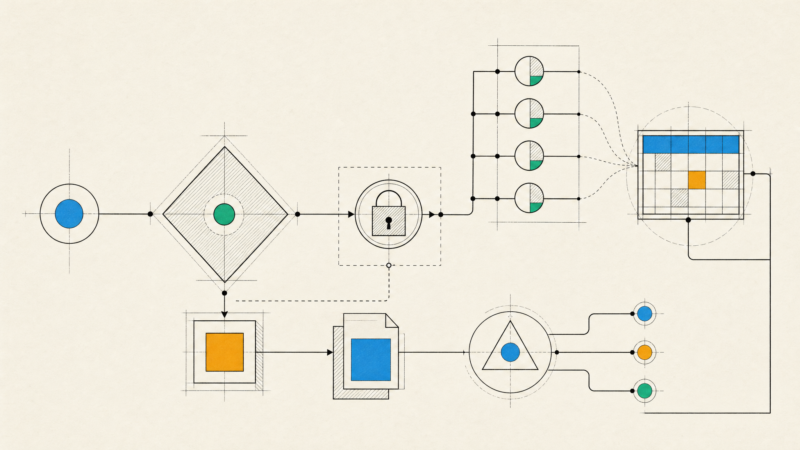
Agent scale engineering changes the work around code before it changes the code itself. Models can now carry out longer tasks, but a product team still has to…
Gemini agent controls matter before a team lets a workplace agent read documents, create tickets, or coordinate work across tools. Google’s new Gemini agent is built for that…
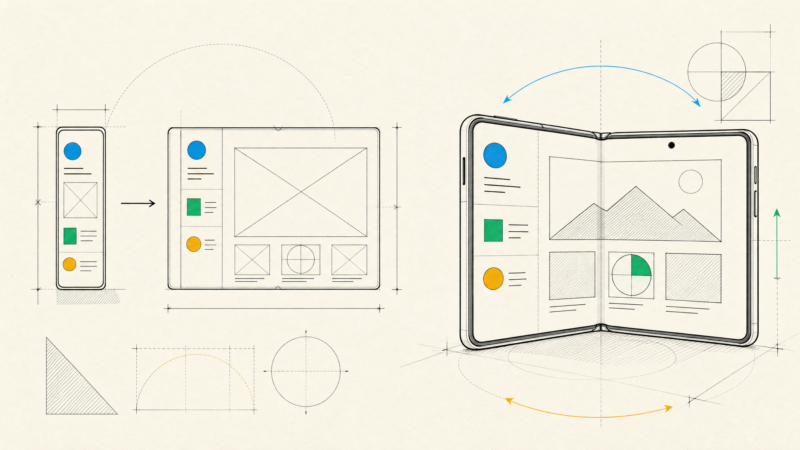
iPhone Duo apps can now go through App Store review, which turns a future device decision into a release-planning decision. Apple says teams can build or recompile with…
OpenAI Decisions API gives product teams a narrower way to use a model. Instead of asking for open-ended text, an application can ask a defined question and receive…
macOS Full Disk Access is about to become a harder permission for desktop apps to obtain. Apple said on October 2 that it will add controls so people…
A SvelteKit 3 migration is now a planning task, not a background dependency update. The stable release changes configuration, import paths, runtime requirements, and some navigation behavior. Teams…
OpenAI Dots changes the design problem for teams adopting AI agents. The product is built to keep working between conversations, across connected apps, with its own cloud computer.…
How we plan and build company and marketing websites that load fast, rank well, meet accessibility standards and stay easy for your team to update.
Our overview of building SaaS products, portals, dashboards and internal tools: which architecture decisions matter early and how a project runs from discovery to launch.
How we approach UI/UX design: research that changes decisions, flows before screens, prototypes tested with real users and a design system that survives handoff.
How we write Swift that stays maintainable: data-race-safe concurrency, tests that earn their keep, modular packages, and incremental migration from Objective-C.
Social media optimization without follower-count promises: profiles that convert, a content system your team can sustain, link previews that render right and honest measurement.
How we design, test and operate Solidity contracts: upgradeability trade-offs, fuzzing and formal review, independent audits, multisig admin keys and incident response.
What our SEO services involve: technical fixes, content that answers real queries, clear site structure and honest reporting, with realistic timelines and no ranking guarantees.
When React Native is the right choice, what its new architecture changes, where native modules come in, and what over-the-air updates can and cannot do.
How we build and rescue PHP applications today: strict types, disciplined Composer use, static analysis, performance work led by profiling, and security by default.
A practical guide to running OpenCart well: custom work that survives updates, security hardening, speed fixes, and how to migrate out when the store outgrows it.
How we build APIs, real-time features and integrations on Node.js with TypeScript, which frameworks we choose and why, and the cases where we recommend another stack.
Fully native iOS and Android apps give you everything the platforms offer, at the cost of two codebases. Here is when that trade is worth it, and how to manage it.
How to choose between native, cross-platform and web for your mobile app, and how we run a mobile project from discovery through launch and beyond.
How to scope a startup MVP, what to cut and what to keep, how to validate it with real data, and what to change once the app finds traction.