GitHub Agentic Autofix: 5 Checks Before You Enable
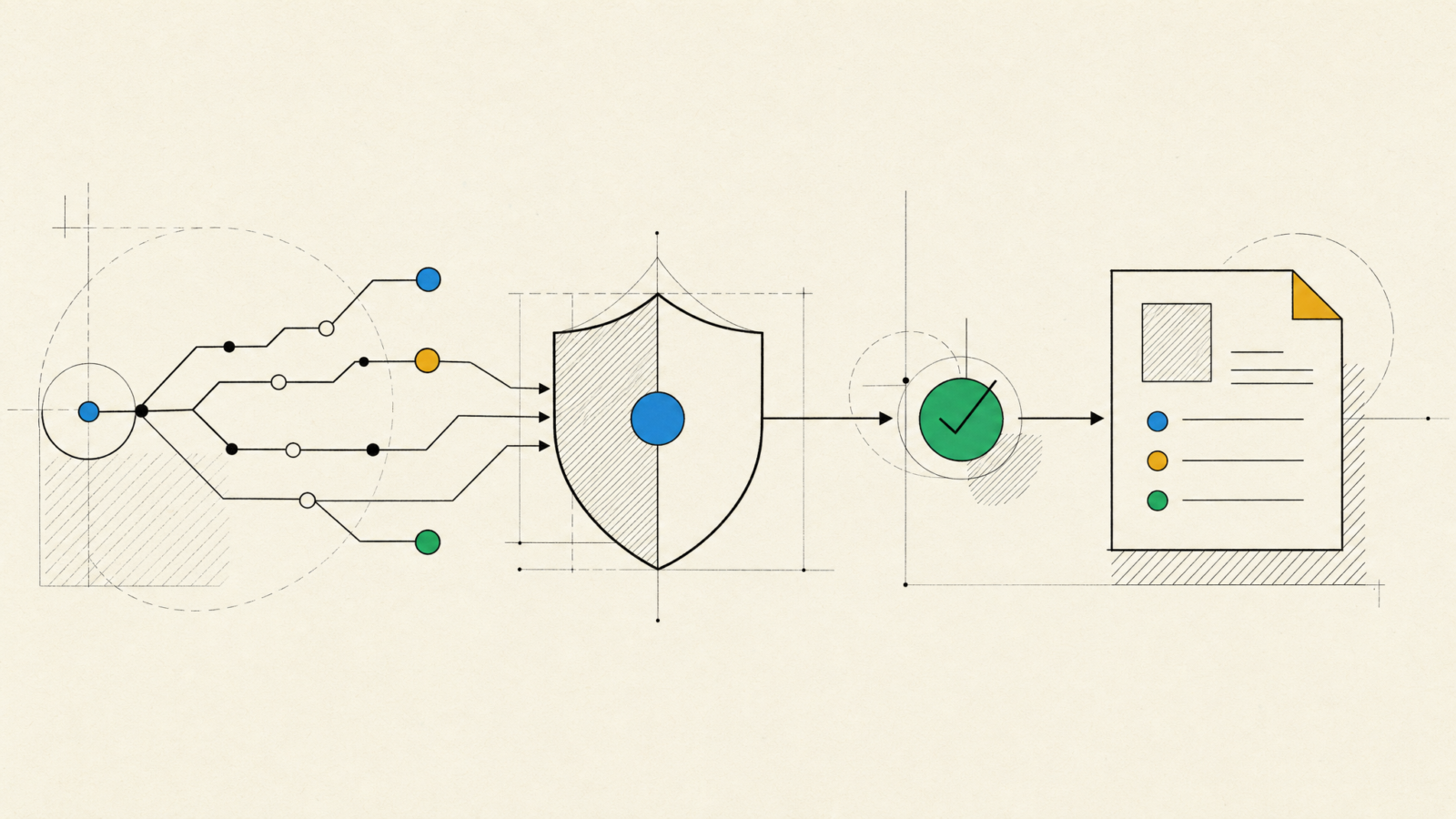
GitHub agentic autofix is now an operating decision, not an experiment. On October 15, GitHub made the capability generally available: Copilot can investigate code scanning alerts, propose changes, rerun CodeQL, and open a draft pull request for review.
The useful question is where it should be allowed to act, what proof a draft pull request must carry, and who owns the final decision. GitHub’s release announcement is clear on the flow. The missing piece is a policy that keeps speed from weakening review.
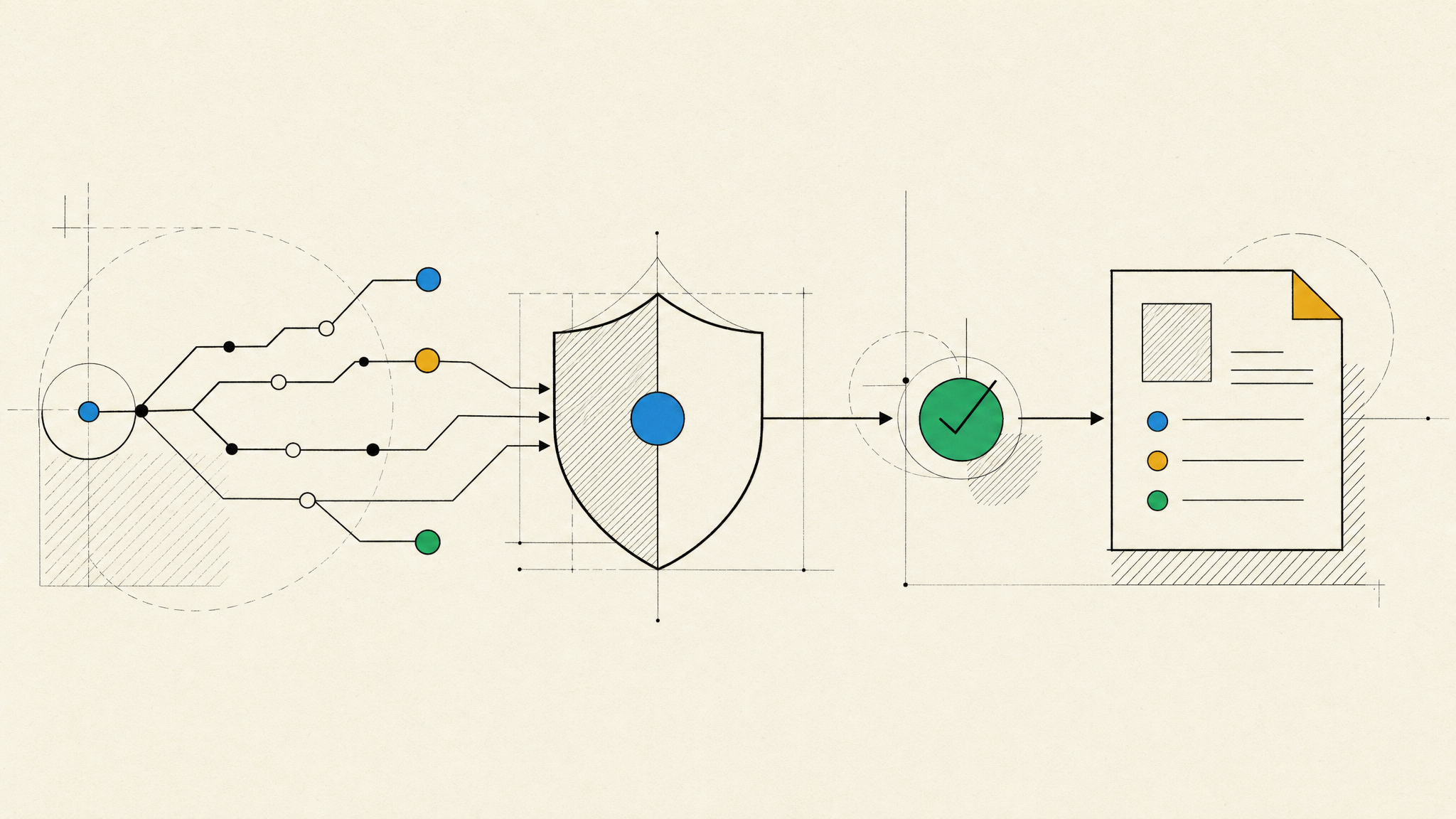
GitHub agentic autofix now prepares a validated draft PR
GitHub agentic autofix works from code scanning alerts on a repository’s default branch. A developer or security team assigns an alert to Copilot. The agent explores relevant files, writes a proposed fix, reruns CodeQL, and creates a draft pull request with a summary of its work and validation steps.
This is different from a one-file code suggestion. The agent can inspect code outside the alert location, iterate, and group up to 25 alerts in one draft pull request. That can help with backlogs where tracing unfamiliar code costs more than the patch.
Validation is evidence, not a guarantee. GitHub’s autofix documentation says the agent validates with the CodeQL query suite, but not custom CodeQL queries, the security-extended suite, or third-party tool alerts. Treat the draft as a review artifact, not a closed incident.
1. Set the access boundary before anyone assigns an alert
Start with one low-risk repository or a clearly separated service. Avoid code that holds deployment credentials, production infrastructure definitions, payment logic, or poorly tested legacy behavior. The first rollout should use code that reviewers already understand.
Access has layers. Enterprise administrators can allow the feature, then organization or repository administrators can enable it. Use that path deliberately: name the owners, list the allowed repositories, and decide who can assign alerts. Assignment access should reflect the risk of the code the agent can inspect and change.
2. Start with a narrow alert scope and one outcome
Do not hand an entire backlog to the agent. Pick a recurring alert class in one service and set a clear outcome: a draft pull request that closes the CodeQL alert, preserves behavior, and passes the service test suite.
Keep assignments small enough for quick review. Group alerts only when they share a cause, component, and owner. Separate changes are easier to review, revert, and ship.
3. Define the proof a fix needs beyond CodeQL
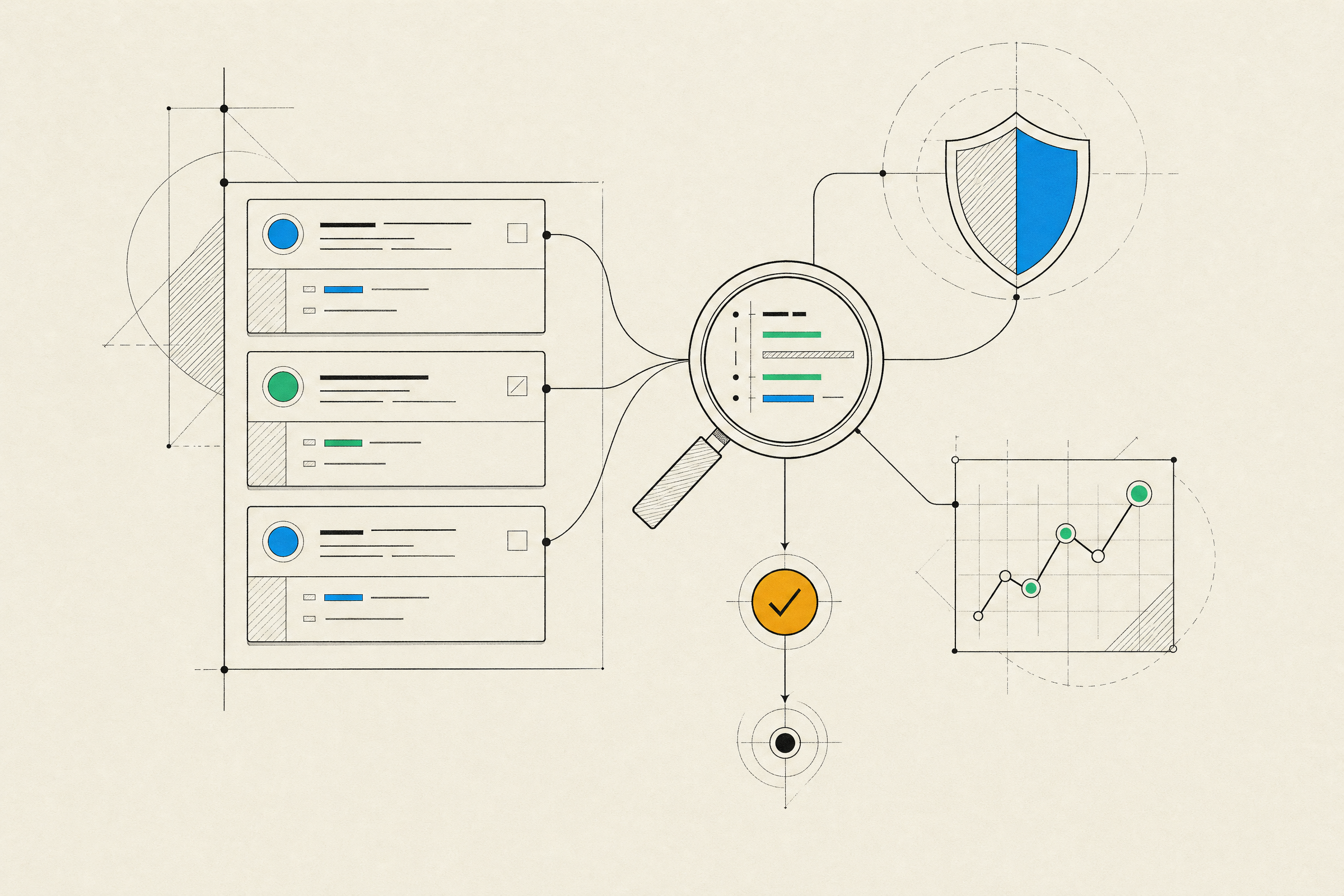
GitHub agentic autofix reruns CodeQL, which answers whether the alert still appears in the scan. It does not answer every product question. A remediation can still break an authorization edge case, change an API response, or fail under load.
Require a short evidence package in every draft: the original alert, files changed, CodeQL result, tests run, tests not run, and behavior left unchanged. CodeQL validation should be required. Add targeted unit, integration, or contract tests for the affected service, especially for authentication boundaries and parsers.
4. Keep the merge gate human and independent
The draft pull request is the right stopping point for automation. Require an independent reviewer who understands the component, and involve a security owner when a change touches authentication, authorization, secrets, cryptography, or data handling.
Check the diff, not only the summary. Look for broad refactors, changed error handling, new dependencies, and altered defaults. GitHub’s related AI Scan release describes findings as advisory and says they cannot block merges through rulesets. Keep existing branch protections, required checks, and review rules in place.
5. Budget and measure the work from the first week
Agentic autofix consumes Code Security AI Credits and GitHub Actions minutes. Before a wider rollout, set a budget and assign someone to review usage. Cost is not the only measure, but it catches an unhealthy pattern quickly: many sessions may point to noisy alerts, weak triage, or a codebase that needs a different remediation plan.
| Measure | What it reveals | Healthy early signal |
|---|---|---|
| Drafts opened | Whether the team is using the workflow | Small, deliberate volume |
| Drafts merged | Whether proposed fixes are useful | Reviewers accept targeted changes |
| Reopened alerts | Whether validation matched real behavior | Few repeat findings |
| Review time | Whether automation reduces investigation work | Faster review without broader diffs |
| Credit and Actions use | Whether the rollout stays economical | Usage tracks planned volume |
Run this trial for a few weeks, then decide whether to expand it. If reviews are fast, diffs stay focused, and the same finding does not return, add another repository or alert type. If the drafts create confusion, improve the issue taxonomy or test coverage before expanding access.
What to do now
Enable GitHub agentic autofix in one bounded repository. Choose a small set of well-understood CodeQL findings, define the evidence required in every draft pull request, and preserve an independent human merge decision. That gives a product team a real measure of the tool without handing over its security judgment.
If the security workflow needs to fit a larger product delivery process, plan the application architecture and review path before automating the queue. For help building safer development workflows into a product team, talk with Inferne.