Voxtral 3 Voice Agents: 5 Smart Tests Before Launch
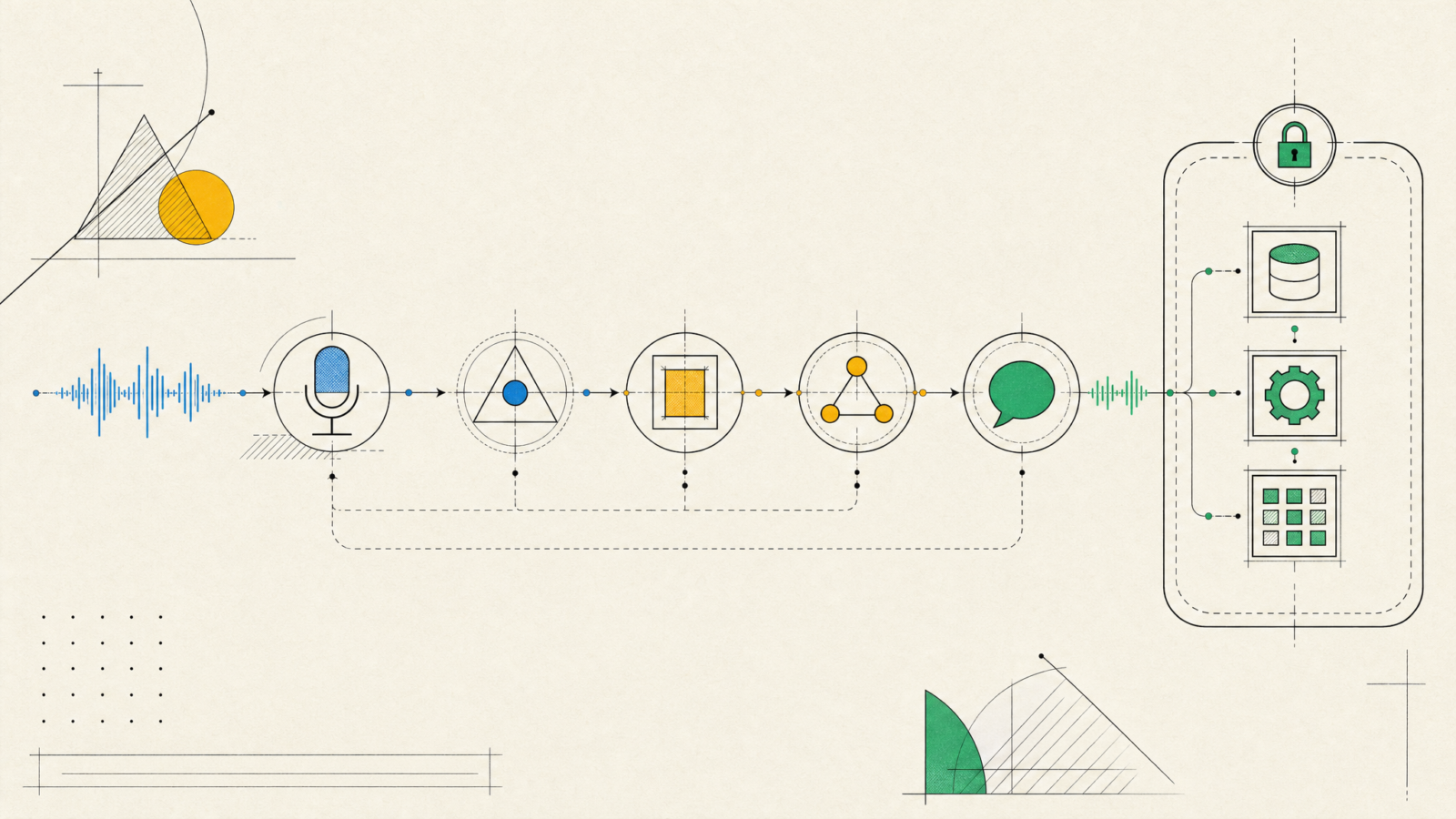
Voxtral 3 voice agents turn speech, reasoning, tool calls, and spoken replies into one product stack. That can remove a lot of assembly work for teams building support lines, in-app assistants, or hands-free workflows. It does not remove the hard parts of product design: deciding what an agent may do, verifying identity, recovering from mistakes, and giving a human a clean handoff.
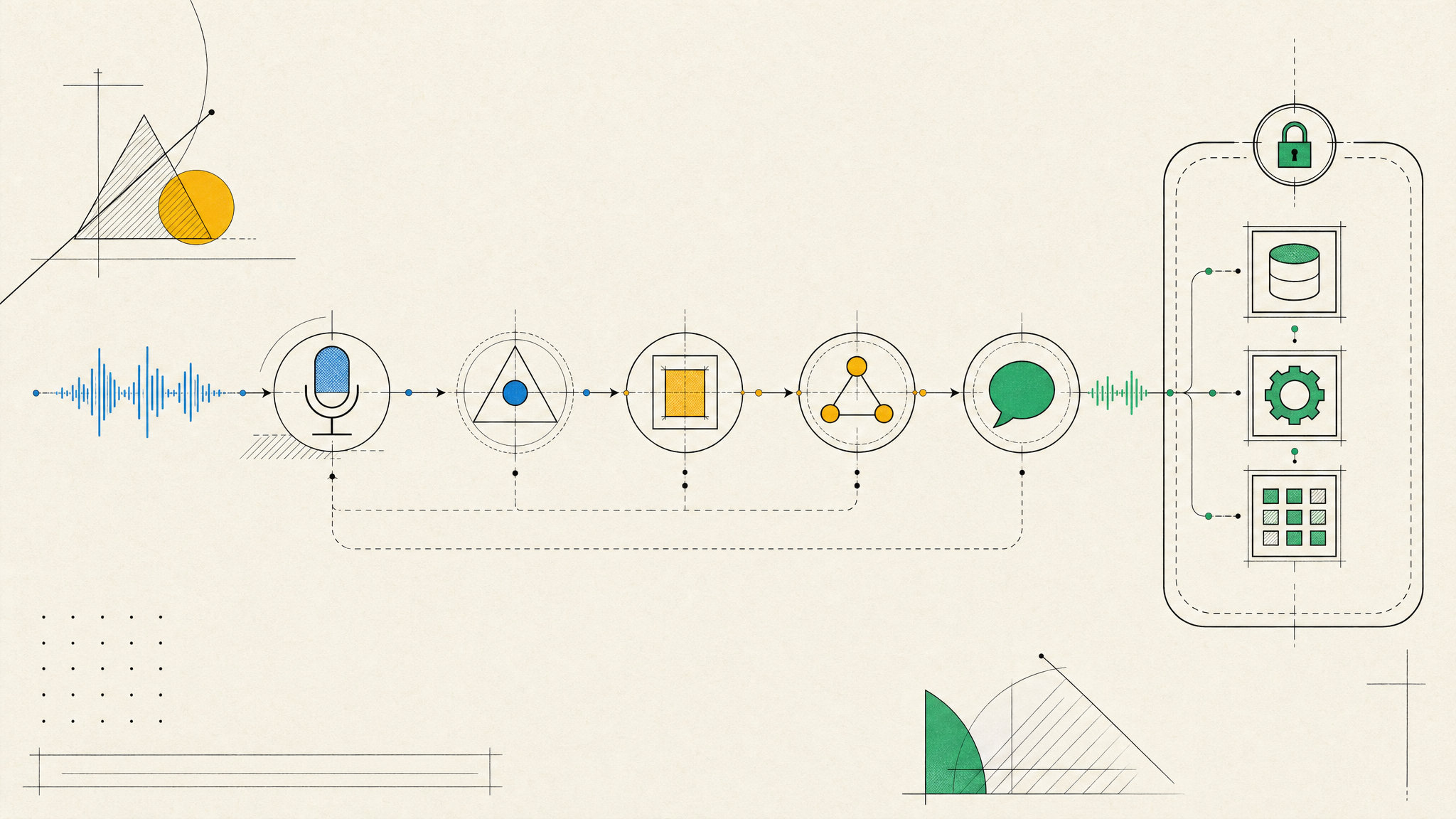
What changed with Voxtral 3 voice agents
Mistral announced Voxtral 3 on October 20 as a group of speech models plus a voice-agent SDK. The release brings transcription, turn detection, text-to-speech, reasoning, and tool calling into a streaming pipeline. The useful shift is not that a model can now speak. Speech products have existed for years. The shift is that the components needed for a live agent are presented as a connected path rather than a set of unrelated APIs.
According to the Voxtral 3 announcement, the transcription side covers recorded and real-time audio, speaker labels, vocabulary biasing, and end-of-turn detection. The speech side supports contextual delivery, preset or cloned voices, and real-time output. The SDK uses LiveKit and lets a team pair the speech layer with a reasoning model and its own tools.
That last detail matters. A voice product is only useful when it can check a record, create a case, book an appointment, or hand a conversation to a person without losing the thread. A basic speech-to-text to chat to text-to-speech chain can demonstrate a conversation. It often feels slow, interrupts callers at the wrong moment, and has no safe model for taking action. Voxtral 3 is aimed at that gap.
What it changes for product teams
The release gives teams a more opinionated starting point for voice work. Instead of choosing a transcriber, building a streaming layer, adding a turn-taking rule, connecting an LLM, and then selecting speech output, a team can evaluate a single stack. That can shorten the path to a realistic prototype.
It also makes architecture choices more visible. Mistral separates the speech models from the reasoning model. A product can swap the model that decides what to do without replacing transcription or the voice. That is a sensible boundary for teams that expect policy, data access, or quality requirements to change over time.
Location and retention deserve equal attention. Voxtral 3 is available through hosted endpoints and for self-deployment, with Mistral positioning it for organizations that need control over where audio is processed. That does not make a deployment compliant by itself. Product teams still need a clear retention policy, consent flow, access controls, and a record of every action the agent takes.
For teams already planning an AI assistant, the choice is less about adding a voice and more about choosing where speech belongs. Voice works well when the user is moving, multitasking, or needs help quickly. It is a poor fit for a complex comparison, a long legal explanation, or anything the user should review line by line. A product can offer both voice and text without pretending they solve the same job.
Start with an architecture that can fail safely
A production voice agent needs four explicit boundaries: audio intake, interpretation, action, and escalation. Treating them as one black box makes testing difficult and incident reviews worse. The Mistral audio documentation describes separate models for recorded transcription, real-time transcription, batch speech, and streamed speech. Keep that modularity in the product design.
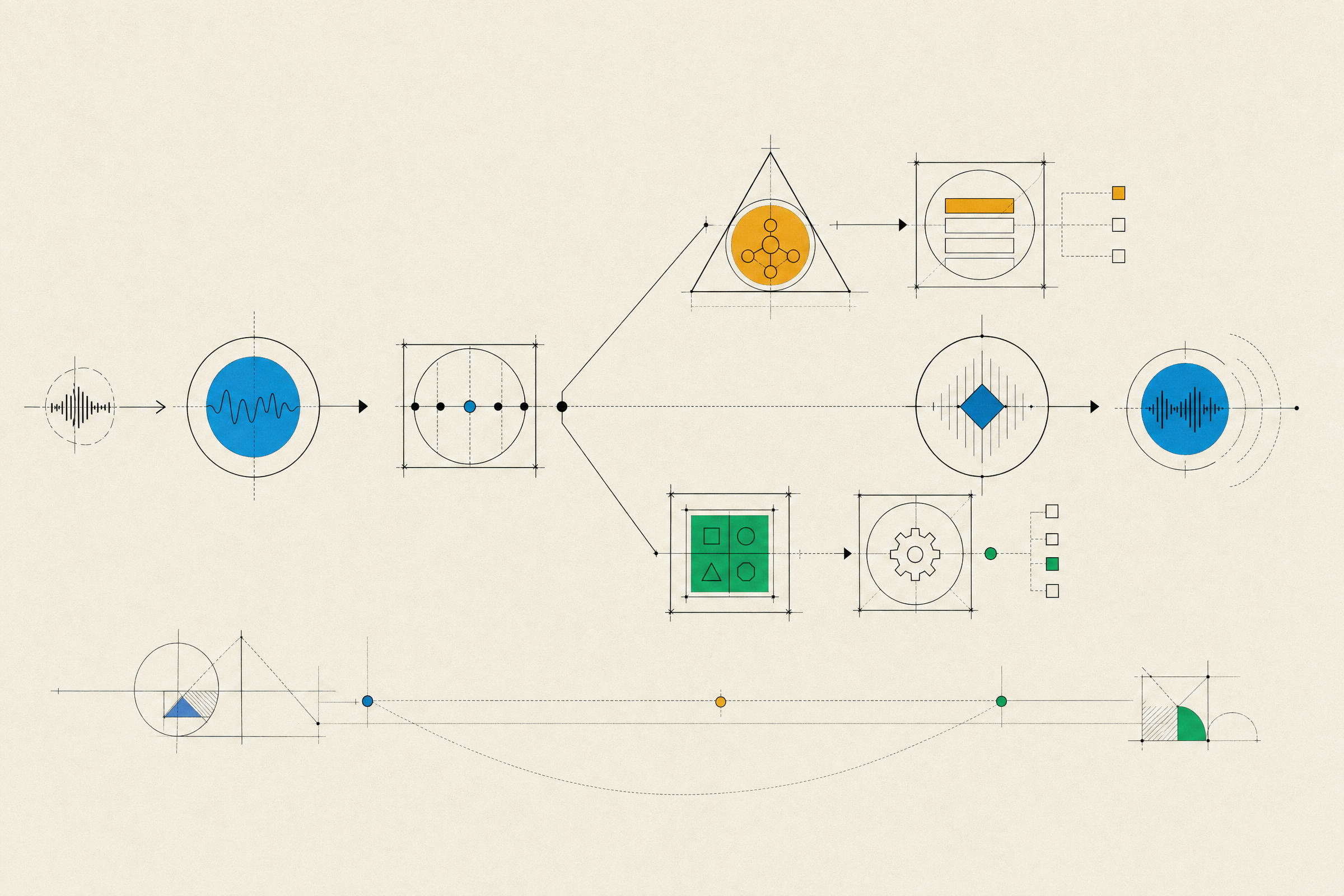
| Layer | What it should own | What to log |
|---|---|---|
| Speech input | Transcription, language detection, turn completion | Confidence, interruption, transcript version |
| Reasoning | Intent, policy checks, tool selection | Decision, retrieved evidence, policy result |
| Business tools | Read or write operations in product systems | Parameters, authorization, outcome |
| Speech output | Response phrasing, pacing, interruption handling | Final response and handoff state |
This structure makes an important product rule possible: the agent may talk freely within policy, but it must not act freely. Put authorization and confirmation close to the tool call, not only in the system prompt. A caller saying “change my address” should not be enough to change a record until the product has completed the right verification for that action.
Five tests before launch
Start with real calls and controlled failure cases, not a polished demo script.
- Test interruptions. Let callers change their mind mid-sentence, speak over the agent, pause, and correct a name. Measure whether the system stops cleanly and preserves the correct state.
- Test domain terms. Use product names, locations, account identifiers, and accented names from the actual domain. Vocabulary biasing may help, but it needs a measured baseline and a rollback path.
- Test action limits. Try requests that require verification, a manager, or a human judgement call. The expected outcome is often a refusal or an escalation, not tool execution.
- Test delayed tools. Make a connected system respond slowly or fail. The agent should acknowledge the wait, avoid inventing a result, and preserve the conversation when the tool returns.
- Test the exit. Give callers a clear way to reach a person, repeat a response, or continue in text. A voice experience that traps users is a support problem.
What to ignore for now
Do not start with emotional voice settings or voice cloning. Those can improve a finished experience, but they do not fix a wrong answer, an unsafe account change, or a failed handoff. The first release should solve one repeatable task with a narrow action set and an observable outcome.
Also resist the urge to replace every phone path. A voice agent is strongest where speed and spoken interaction beat a screen. Account recovery, appointment changes, shipment status, and simple intake can fit. Complex disputes and sensitive decisions usually need a person early in the flow.
Voxtral 3 makes voice-agent experimentation more practical because the pieces are closer together. The winning implementation will still be the one that sets clear boundaries, measures failures, and gives users a dignified way out. Teams planning a voice feature or a broader AI agent product can start by mapping one conversation to its data, tools, and human fallback, then talk with Inferne about turning that map into a tested product workflow.