CodeIgniter Development: Maintain, Secure, Upgrade or Migrate
An honest guide to CodeIgniter today: how we maintain and secure CodeIgniter 3 apps, what moving to CodeIgniter 4 really involves, and when Laravel makes more sense.
If you’re looking into CodeIgniter development today, you probably have an application that works. It was built quickly, it runs part of the business, and it has been growing for years. Now the PHP version needs an upgrade, or a security review has raised issues, or the developer who knew it best has moved on.
What you need is a clear decision and a safe path to it. In the short term, that means an application that’s patched, hardened and running on a supported PHP version. After that it needs a realistic plan, which might mean staying on CodeIgniter 3 for a while, converting to CodeIgniter 4, or moving to Laravel. We help with all three, and we’ll say which one we’d choose in your position.
Where CodeIgniter development still makes sense
CodeIgniter earned its following by being small. It runs on ordinary hosting and needs little configuration, and a developer can follow the whole request lifecycle in an afternoon. That’s why so many corporate websites, business portals and internal tools were built on it, and plenty of them still do their job well.
CodeIgniter 4 keeps that lightness and adds what modern PHP expects: namespaces, Composer, a separate public web root, environment files, filters for cross-cutting concerns, explicit routes by default, a command-line tool for migrations and scaffolding, and a proper testing toolkit. The CodeIgniter Foundation maintains it actively. If you have a small to mid-sized application and a team that knows the framework, it’s still a reasonable home.
CodeIgniter 3 is a different story. It’s the legacy line, and the project’s effort now goes into version 4. You can still run it, but it needs care.
Maintaining and securing a CodeIgniter 3 application
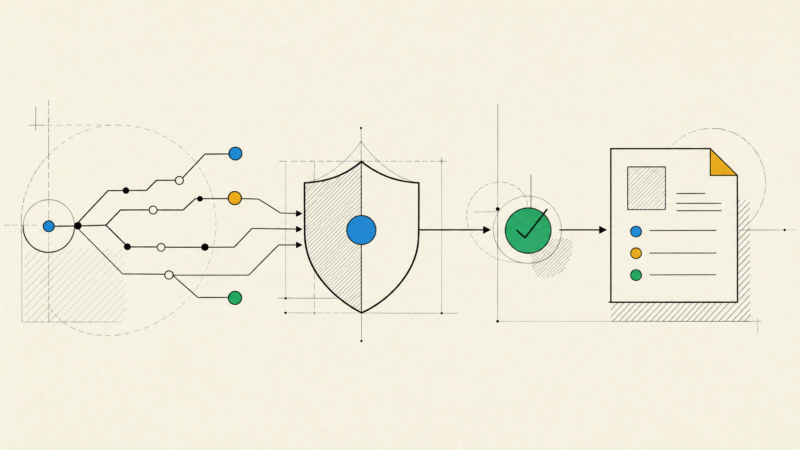
When we take over a CodeIgniter 3 app, we start with an audit and a hardening pass. The same issues keep coming up:

- By default, the application and system folders sit beside index.php in the web root, protected only by .htaccess files, which Nginx ignores. We move both above the web root.
- CSRF protection ships disabled. We turn it on and fix the forms and AJAX calls that relied on it being off.
- Every public controller method is reachable as a URL, so helper methods left public turn into endpoints. We make them private or protected and review the routes.
- Queries built by concatenating strings get replaced. The Query Builder and query bindings escape values; concatenated SQL doesn’t.
- Global XSS filtering on input was never a substitute for escaping in views, by context. We escape on output.
- Sessions get a private save path or a database or Redis driver, cookies get the Secure and HttpOnly flags, and the session ID is regenerated at login.
- The old mcrypt-based Encrypt library goes. Password hashes move to
password_hash()and are upgraded at each user’s next login. - The environment is set to production, so errors are logged and never shown on screen.
Before changing any of this, we put a safety net in place. CodeIgniter 3 wasn’t designed around automated testing, so we write HTTP-level tests against a staging copy, covering login, the main forms and anything that touches money. Third-party libraries that someone copied into the application folder by hand get replaced with Composer packages (CodeIgniter 3 can load them), which means they can finally be versioned and audited.
Then there’s PHP itself. CodeIgniter 3 can usually run on current PHP versions, but each jump brings deprecation warnings, and the framework core sometimes needs small patches. We upgrade PHP in steps, run those tests at every step and watch the logs closely after each release. If aging shared hosting blocks the upgrade, we move the application to hosting you control.
Upgrading from CodeIgniter 3 to CodeIgniter 4
Most teams underestimate this step. CodeIgniter 4 is a rewrite of the framework rather than a new release of the same code, and its own upgrade guide talks about converting an application, not upgrading it. In practice, that means:
- Controllers, models and libraries become namespaced classes loaded through Composer’s autoloader.
- The loader pattern, where you load a model and then reach it as a controller property, gives way to services, factories and helpers.
- Input, sessions, validation and database results all have new APIs, so almost every controller changes.
- Hooks become events and filters, and configuration arrays become configuration classes.
- Some CodeIgniter 3 libraries have no direct equivalent and need replacing.
Your database stays as it is, and views and business rules usually carry over with modest changes. It’s the plumbing around them that has to be redone.
How we run the conversion
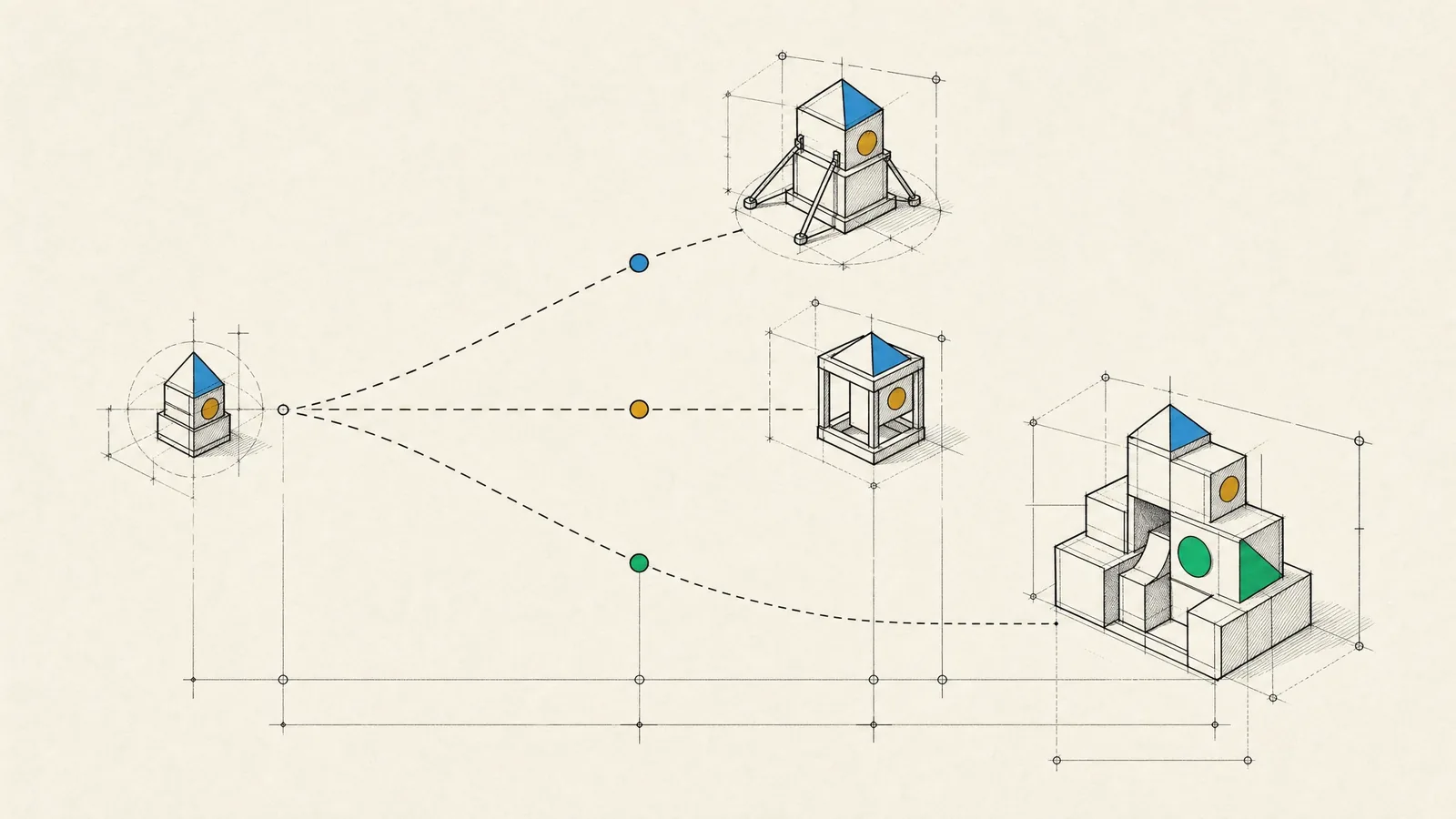
A small application we convert in one pass, behind a short feature freeze and a full regression run. Larger ones go section by section. Both versions run side by side on the same domain and database, and the web server sends converted sections to CodeIgniter 4 while everything else stays on CodeIgniter 3.
The first thing we build is a bridge for login and sessions, so users never notice which side is serving them. The HTTP-level tests from the hardening phase then double as acceptance tests. A section only switches over once its existing tests pass against the new code and QA has signed off.
When to move to Laravel instead
Since converting to CodeIgniter 4 touches almost every file anyway, it’s fair to compare it with a move to Laravel. The effort is often closer than teams expect, and the destination is very different.

| Your situation | What we usually recommend |
|---|---|
| Stable app, few changes planned, tight budget | Stay on CodeIgniter 3 for now: harden it, upgrade PHP, plan the exit |
| Small to mid-sized app, mostly forms and reports, team knows CodeIgniter | Convert to CodeIgniter 4 |
| Growing product that needs queues, scheduled jobs, real-time features, rich APIs or a capable admin panel | Move to Laravel |
| You plan to hire and grow a PHP team | Move to Laravel, for its wider choice of packages and larger hiring pool |
| The application will be retired soon | Harden and contain it; skip the conversion |
Laravel brings first-party queues with a monitoring dashboard, a scheduler, authentication scaffolding, real-time broadcasting and several mature admin panel options. If your roadmap needs those, building them yourself on CodeIgniter will cost more over time than the move would. If it doesn’t, CodeIgniter 4 is lighter and closer to what your developers already know.
How a CodeIgniter engagement works
Most CodeIgniter work starts as a focused engagement. We sign an NDA and get read access to the repository, along with details of the hosting setup. What comes back is a written audit: security findings ranked by severity, the PHP and dependency upgrade path, current test coverage, and a recommendation to stay, convert or move, with the reasoning behind it.
The delivery team stays small: an engineer who knows both CodeIgniter lines and a QA tester who builds the regression suite before anything changes, joined by a business analyst when undocumented behavior has to be pinned down with the people who use the system. You get regular written reports and a staging environment to test on, and every change lands in your own repository. Our PHP development guide describes the wider engineering practices behind this, from static analysis to deployment.
Frequently asked questions
Is CodeIgniter 3 still safe to run?
It can be, with work: a hardening pass, a supported PHP version, careful patching and monitoring. It shouldn’t be the foundation for a long new roadmap, though.
Can we move from CodeIgniter 3 to 4 gradually?
Yes. That’s how we handle larger applications: both versions run side by side on the same database, and sections move over one at a time. Shared login and sessions are set up first.
What survives the conversion?
Your database, most of your views and your business rules. Controllers, models and libraries need the most work, because the framework APIs around them changed.
Is Laravel always better than CodeIgniter 4?
No. Laravel covers more ground, but for a compact application maintained by a team that knows CodeIgniter, version 4 is often the more economical choice.
Do you start new projects on CodeIgniter?
Rarely. For new PHP products we usually recommend Laravel, and we pick CodeIgniter 4 when a client’s team, hosting or existing code makes it the sensible option. If you’re planning a new build, our web application development article explains how we approach one.
When nobody on your team is quite sure what state a CodeIgniter application is in, the audit is the place to start. Get in touch about an audit; it begins with an NDA and read access to your repository, and you get a written recommendation at the end.