Agent Scale Engineering: 5 Changes in 2026
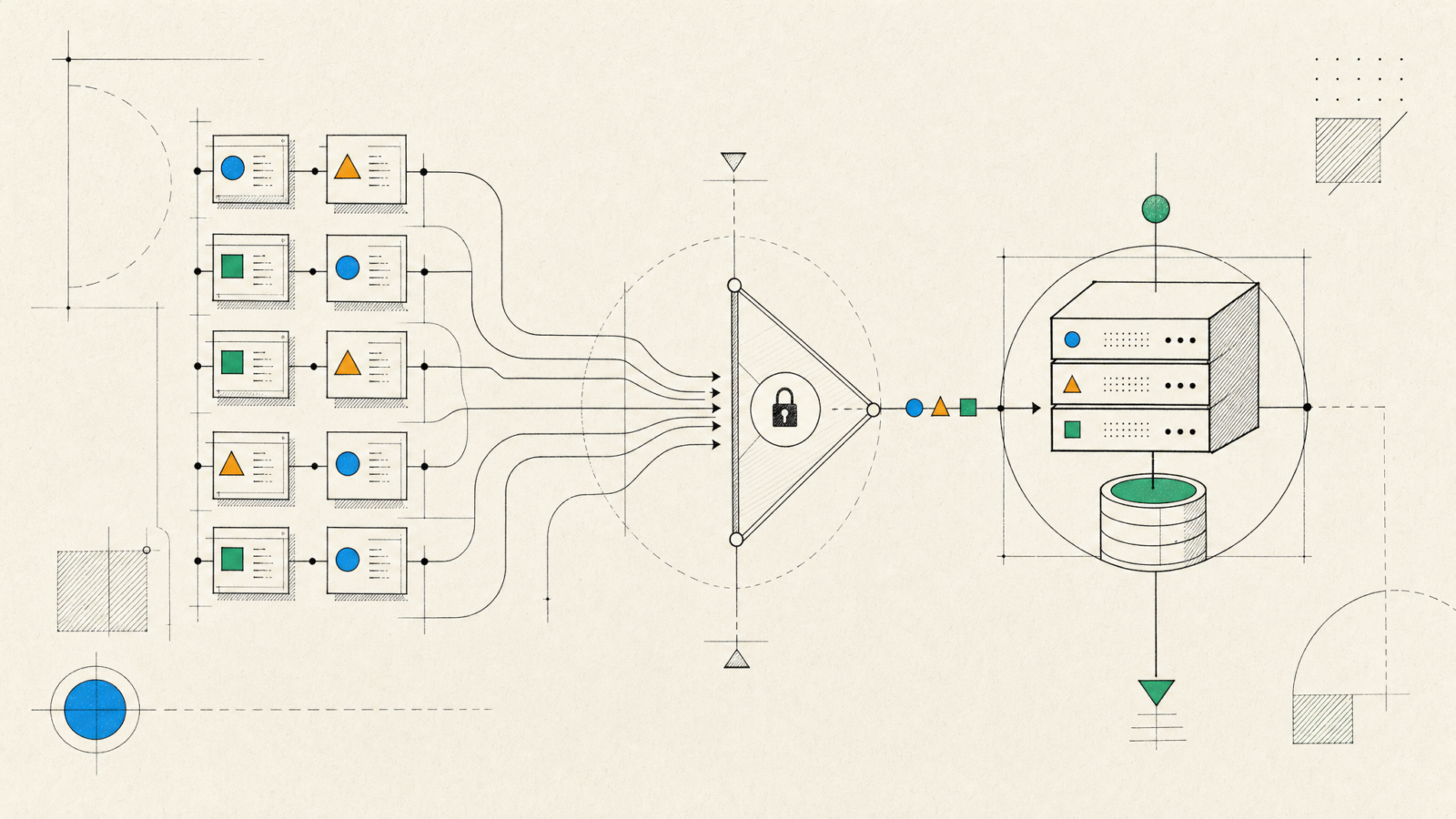
Agent scale engineering changes the work around code before it changes the code itself. Models can now carry out longer tasks, but a product team still has to decide what may run, what must be reviewed, and how a change reaches production safely.
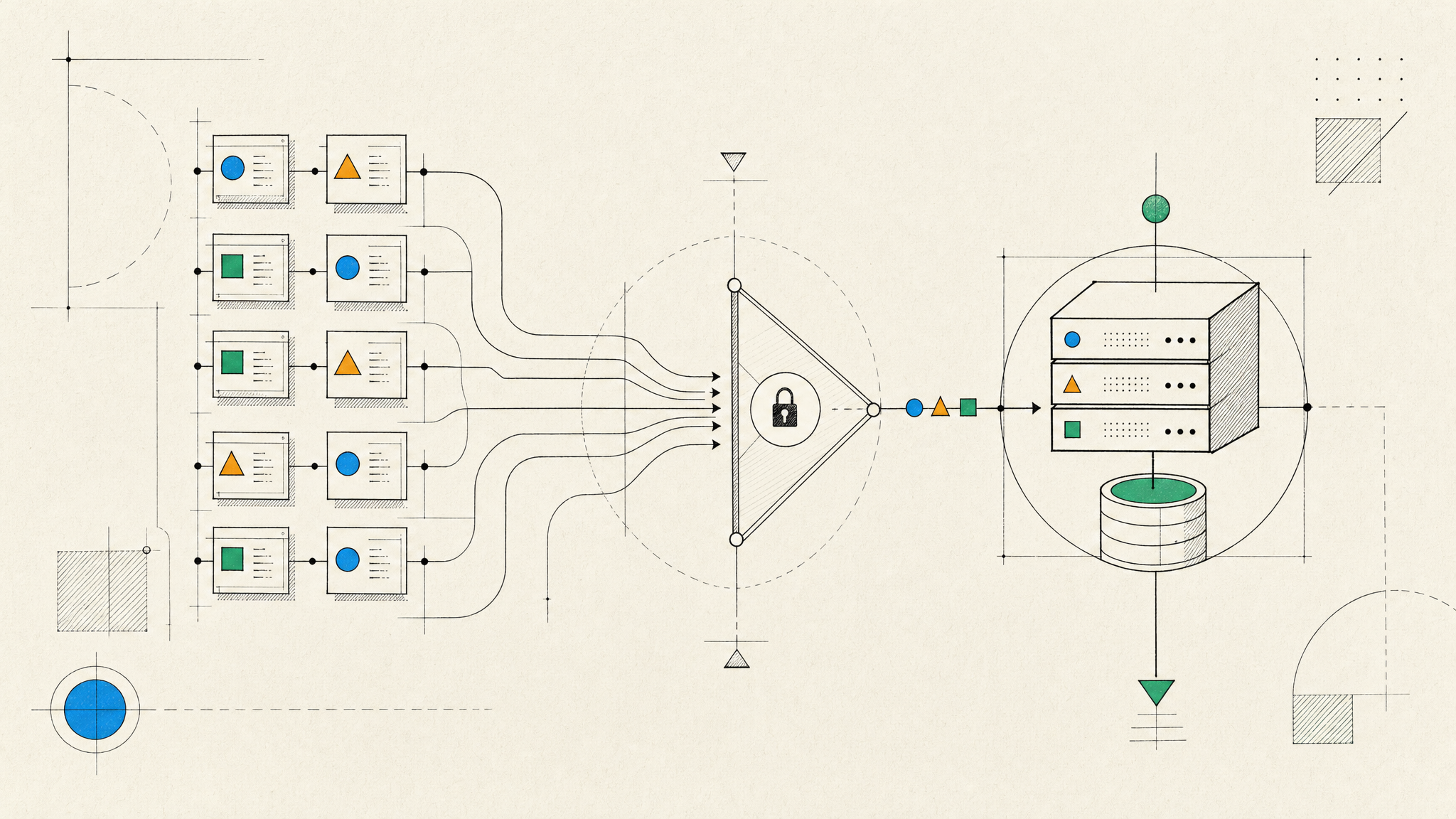
Two announcements from October make that shift hard to ignore. Google says Gemini 4 Argon is available to developers for complex software engineering and other long-running workflows. On the same day, Anthropic described Scion, its internal source-control system for a monorepo where agent-assisted development pushed merge volume far beyond its earlier tooling assumptions.
Neither announcement means a normal product team should replace Git or hand releases to an agent. They do show where pressure moves when code generation gets cheaper: repository access, test capacity, review queues, deployment permissions, and incident response.
Agent scale engineering moves the bottleneck to integration
The headline from this week’s releases is not that a model writes more code. It is that surrounding systems must absorb more proposed changes without lowering the standard for a release.
Google positions Argon for long-horizon workflows such as migrations and complex engineering tasks. That matters because these tasks touch several files, services, tests, and assumptions. A useful result may still be wrong in one quiet way: it can use an outdated interface, omit a migration, weaken an authorization check, or pass a narrow test while breaking a real workflow.
Anthropic reports a more extreme version of the same problem. Its engineering team says it moved from around 2,500 merged changes a day in May to more than 30,000 in September. Its answer was not a faster local clone. Scion treats source control as an always-online service, with server-side operations and clients that fetch only what they need. Anthropic is clear that this is not a general Git replacement. Most teams do not have its repository size or change volume.
The portable lesson is simpler. Measure the time between a proposed change and a trusted deploy. If agent work is making that interval longer, the constraint is probably not prompt quality. It is integration.
Agent scale engineering works best with bounded work
Long-running models make broad tasks tempting. A request such as “modernize the payments service” sounds productive, but it hides too many decisions. A team needs a clearer unit of work than a large prompt.
Start with a change contract. State the target behavior, allowed directories, interfaces that may change, tests that must pass, and changes that are out of bounds. A good contract also names a rollback path. That makes the job reviewable before any code exists.
For a migration, split the work into stages: inventory the current behavior, add compatibility coverage, change one boundary, observe production signals, then remove old paths. The agent can help with each stage. It should not decide to skip stages because a local build passed.
Repository access deserves the same care. An agent working on a checkout flow rarely needs credentials for production infrastructure or write access across unrelated services. Use separate identities, short-lived access, and an explicit allowlist of tools. These controls are not ceremonial. They limit what an incorrect plan can damage.
Review intent and evidence, not a mountain of generated diff
Human review still matters, but the review shape has to change. Reading every generated line becomes a poor use of scarce attention when the diff grows faster than the team. Reviewing the intent, the boundaries, and the evidence gives reviewers a stronger place to intervene.
A pull request should answer four questions before it is merged:
- What user or system behavior changes?
- Which interfaces, data, permissions, or dependencies are affected?
- What evidence shows the intended path and failure path were tested?
- How will the team detect and reverse a bad release?
That does not mean accepting code on a model’s confidence. It means asking the reviewer to judge the parts that require product context: whether the requested behavior is right, whether the tests represent real risk, and whether the deployment plan is safe.
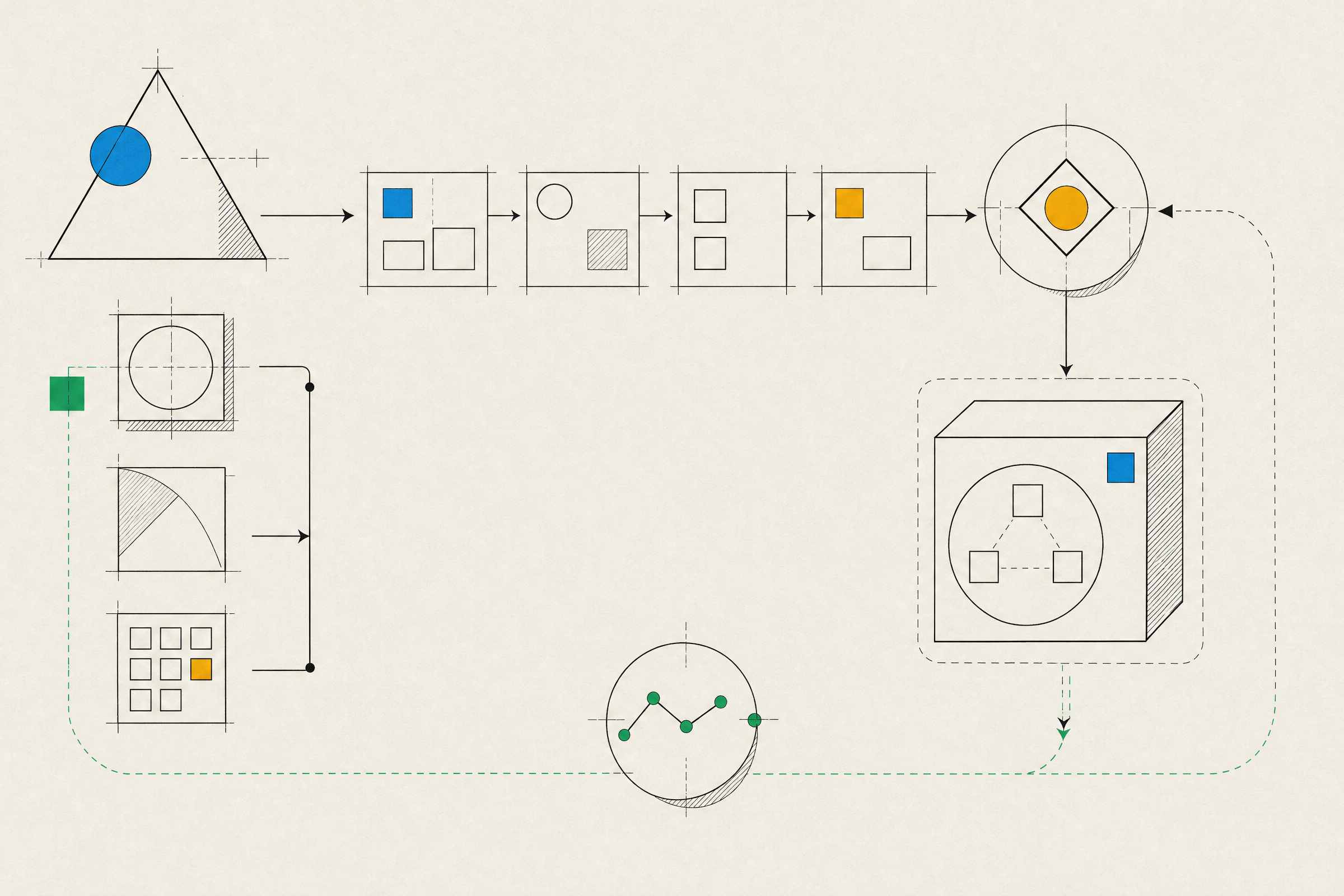
Teams can also require a compact change receipt. It should link the task, list files and services touched, name tests run, record unresolved assumptions, and identify the owner who accepted the release risk. This is useful whether the code came from a person, an agent, or both.
CI becomes the control plane for agent scale engineering
At higher change volume, continuous integration becomes a safety system rather than a final checkbox. It decides whether the repository can absorb the next change without asking every engineer to recreate the same checks by hand.
Build a layered gate. Fast checks catch formatting, types, and focused unit failures early. Contract tests protect service boundaries. A smaller set of realistic end-to-end tests protects checkout, authentication, and other business-critical paths. Security scanning and dependency policy belong in the same path, not in a document people may forget.
Speed matters here. A forty-minute mandatory suite teaches people to route around it. Start by measuring queue time, flaky-test rate, and the slowest jobs. Cache safe build artifacts, isolate unstable tests, and run the broadest checks on the changes that need them. The goal is not a giant test matrix for every edit. It is reliable evidence at the right cost.
Production signals complete the gate. Feature flags, staged rollout, error budgets, and clear ownership let a team detect a problem after merge without turning every deployment into a high-stakes event. An agent can help investigate an alert, but the authority to widen a rollout or change a production rule should remain deliberate.
What product teams should change this quarter
Most teams should keep Git, keep pull requests, and resist building a private platform around a single model release. The practical work is smaller and more valuable.
| Area | Change to make | Signal to watch |
|---|---|---|
| Tasking | Use a written change contract for agent-assisted work. | Fewer scope reversals during review. |
| Access | Give each workflow a limited identity and narrow tool access. | Fewer unnecessary production permissions. |
| Review | Require an intent and evidence receipt with each material change. | Reviewers find design errors earlier. |
| CI | Measure queue time and fix the slowest reliable checks first. | Faster trusted merges without more flakes. |
| Release | Use flags and staged rollout for higher-risk paths. | Smaller blast radius when a change fails. |
Start with one service that already has a healthy test suite and clear ownership. Track whether agent-assisted changes shorten lead time without increasing rollbacks, incidents, or reviewer rework. If the evidence is good, extend the pattern. If it is not, tighten the contract before adding more automation.
Teams planning a new AI workflow should treat these controls as part of the product architecture, alongside model selection and evaluation. Our AI agent development guide covers the product-side decisions that should accompany that work. For a system that has to make reliable changes under real delivery pressure, talk to Inferne about the engineering controls to put in place first.