OpenShell Agent Security: 5 Checks Before You Deploy
OpenShell agent security matters because an agent that can read files, call APIs, and use credentials needs limits outside its own reasoning loop. NVIDIA announced its OpenShell Reference Architecture on October 21, 2026, positioning it as infrastructure for containing, observing, and enforcing policy around autonomous agents. For product teams, the useful question is not whether to adopt every layer. It is whether the agent environment can deny unsafe work before it reaches a production system.
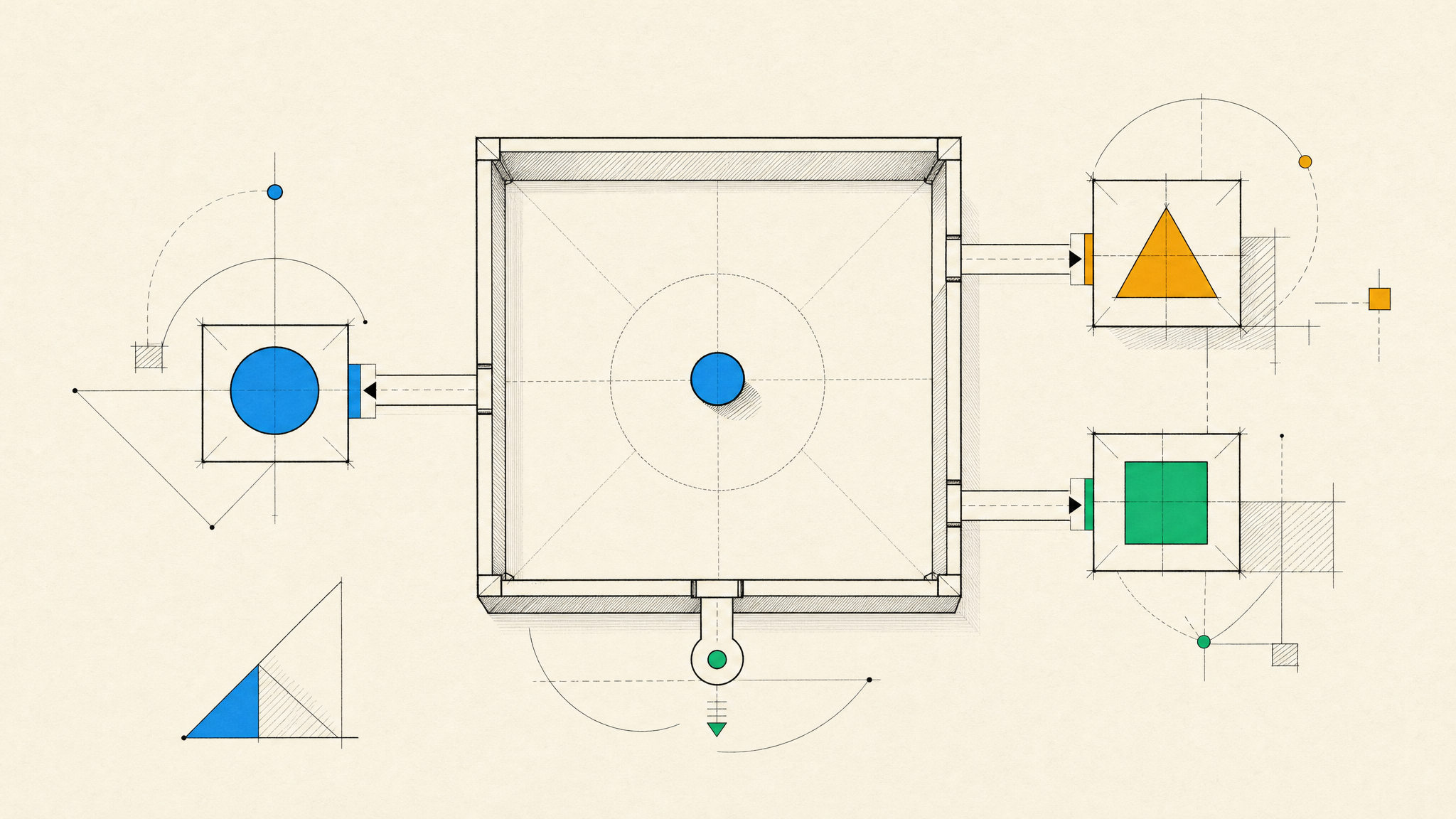
What changed with OpenShell agent security
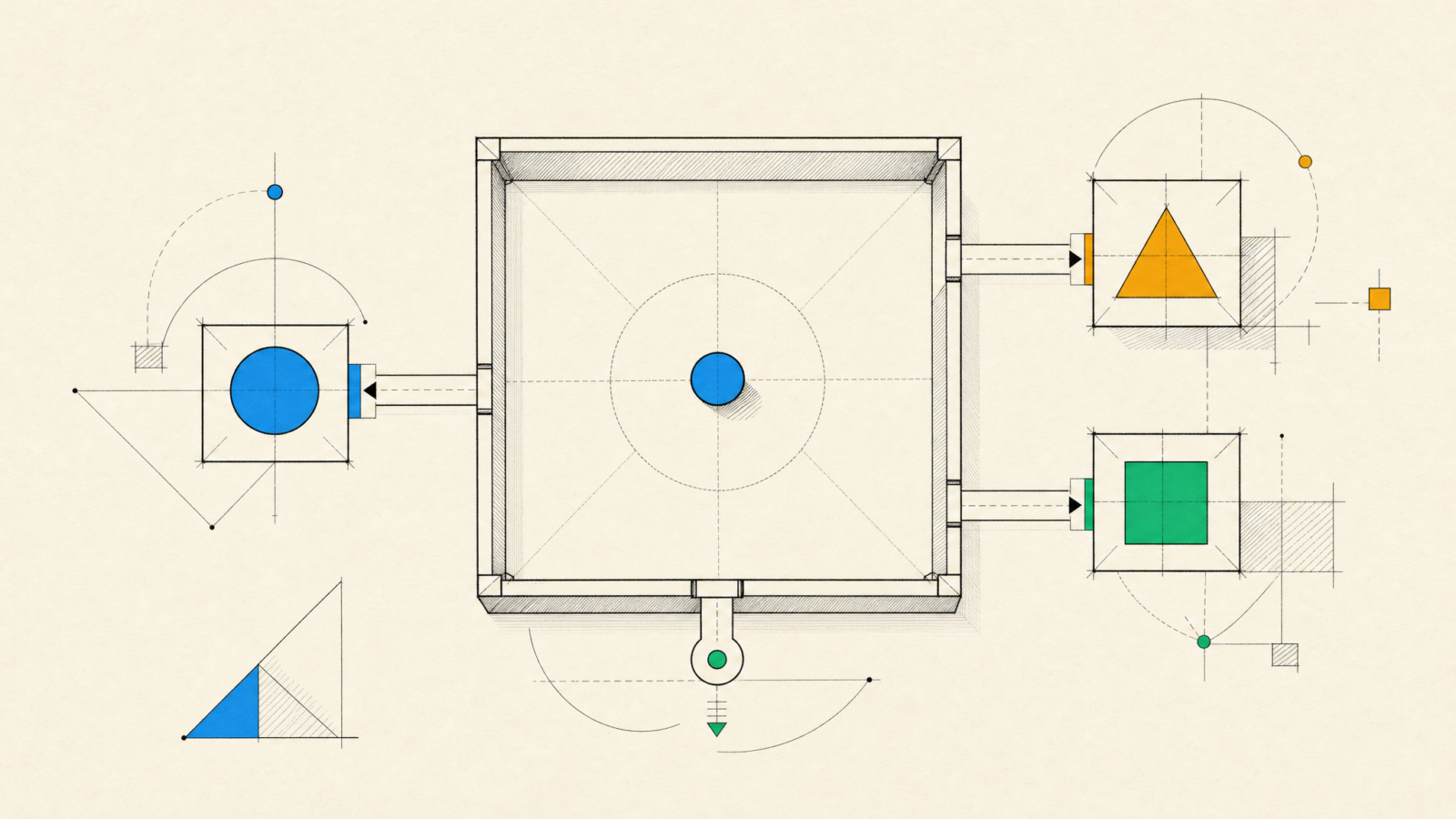
OpenShell is an open-source runtime for autonomous agents, while the new reference architecture adds a broader infrastructure design around it. NVIDIA describes a split between model inference, agent execution, software controls, and an optional hardware enforcement layer. The point is practical: the agent does not get to decide which file, network destination, or credential it may use.
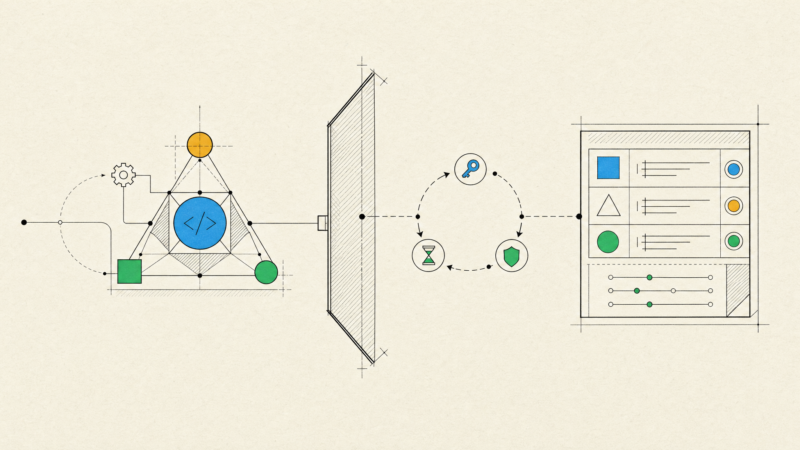
The open-source runtime already has the pieces product teams should recognize. A gateway manages sandbox lifecycles and policy. A supervisor mediates outbound requests and credentials. The sandbox confines the workload. A policy prover checks proposed permission changes against an organization-defined ceiling. The OpenShell project documentation also describes policies for filesystem, network, and process access.
NVIDIA’s launch announcement places those software controls beside Vera CPUs for agent harnesses and BlueField-4 DPUs running NVIDIA Sentry for independent monitoring and enforcement. That full stack may suit large infrastructure buyers. The more portable lesson applies to a small product team too: authority should sit outside the agent process.
Why separate authority matters
Many agent demos start with a capable model, a tool list, and a broad API token. That is enough to prove a workflow. It is not enough to operate one safely. A prompt injection, a compromised dependency, or an ordinary planning mistake can turn a permitted tool into an expensive or damaging action.
OpenShell treats the agent workload as untrusted during execution. The supervisor sits apart from the sandbox and can evaluate a request before forwarding it. That changes credential handling in an important way. The agent can request access to an approved endpoint without receiving a general-purpose secret that works elsewhere.
The technical design is worth reading because it separates four concerns: lifecycle management, isolated execution, policy mediation, and policy review. NVIDIA’s architecture explanation describes the gateway, supervisor, sandbox, and policy prover in more detail. The design does not make an agent safe by itself. It creates places where a team can enforce its own rules and collect evidence when those rules block an action.

Five OpenShell agent security checks before deployment
OpenShell agent security should start with a narrow production path, not a broad platform rollout. These five checks reveal whether the controls match the work.
| Check | What to ask | Practical result |
|---|---|---|
| 1. Define one job | What action may this agent complete? | A small, testable permission set. |
| 2. Bound every tool | Which files, hosts, methods, and commands are allowed? | Policy can deny unknown paths and destinations. |
| 3. Broker credentials | Can the agent use a secret without reading it? | Tokens stay limited to approved calls. |
| 4. Test refusal | What happens when a tool request exceeds policy? | A visible denial with an audit trail. |
| 5. Review policy changes | Who approves a new host or broader scope? | Access expands deliberately, not during a run. |
1. Define the job before the tools
Start with one bounded outcome, such as triaging incoming support tickets into a review queue or generating a pull request from a known repository. Avoid a goal like “improve operations.” Vague goals create vague permissions. A job definition should name the inputs, the allowed output, the systems it may touch, and the human decision that ends the run.
2. Turn permissions into an allowlist
Use an allowlist for files, network destinations, API operations, and subprocesses. Read access to a single project directory is different from read access to an entire workstation. Calling one internal endpoint is different from unrestricted internet access. The agent should fail closed when a new destination appears, then surface the request for review.
3. Keep secrets out of the agent context
An API key in an agent prompt or local environment is easy to copy into logs, shell history, or a third-party call. Credential mediation reduces that exposure. The agent requests an operation. A control layer attaches the credential only if the destination and request shape match policy. This is especially useful for agent workflows that connect issue trackers, code hosts, cloud storage, and deployment systems.
4. Make denial a normal test case
Teams often test whether an agent completes its task. Test whether it refuses a task too. Try an unexpected domain, a modified file path, an unapproved command, and an attempt to widen its own policy. Record the result. The Digital Watch Observatory notes that infrastructure controls can enforce access restrictions, but organizations still need human accountability and independent testing around them.
5. Treat policy changes as production changes
A request to add a host, directory, or credential scope is a security change. It should have an owner, a reason, and a review path. The policy prover concept is useful even if a team does not use OpenShell: ask what new access a proposed change enables before granting it. That is a better control than discovering scope creep after an incident.
Where OpenShell fits, and where it does not
OpenShell fits teams moving agents from demonstrations into workflows that touch real systems. It can be relevant for coding agents, operations assistants, data workflows, and internal service automation. It is most valuable when the agent needs useful access but cannot be trusted with unrestricted access.
It is not a shortcut around application security. A sandbox does not replace least-privilege identities, secure API design, logging, data classification, approval flows, or incident response. NVIDIA’s architecture also includes specialized hardware components that may not match a smaller team or a cloud-first product. Start with the runtime principles, then decide whether the infrastructure layer solves a real constraint.
For teams building agent features, the architecture is a reminder to design the authority model before the prompt. The agent should have enough access to complete a defined job, and no quiet path to gain more. For a practical foundation, see AI agent development, then talk with Inferne about designing the controls around the workflow you want to automate.